Can Online Retail Shopping Compromise Your Personal Data
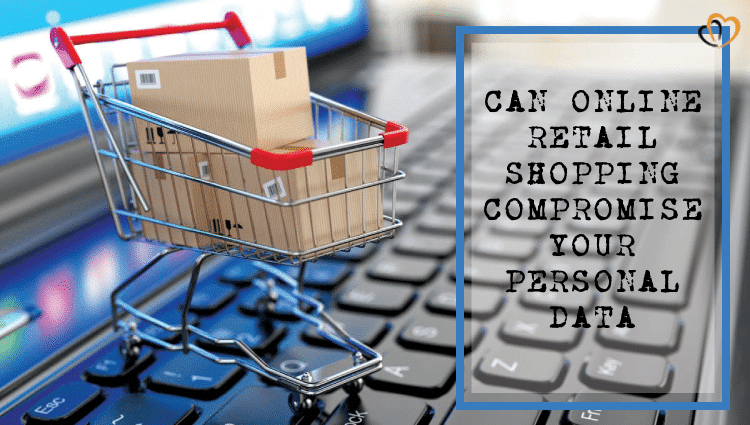
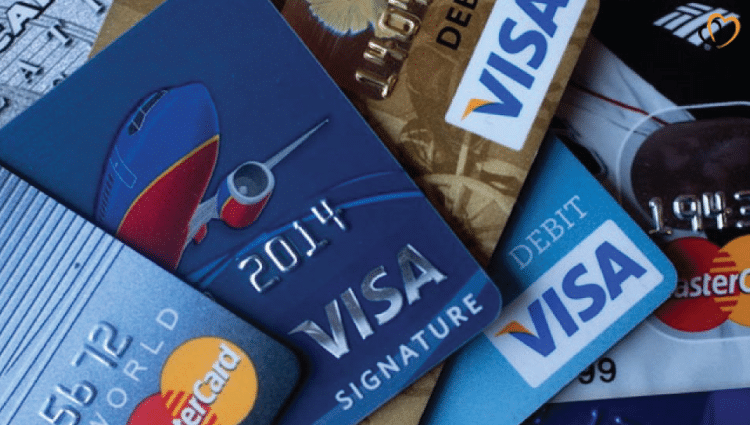
Online retail shopping is something that everyone enjoys and given the nature of living in modern time, what with the rush and time constraints, it has also become an unavoidable part of the current standard of everyday life. It’s extremely easy to fill in your debit or credit card at these online retail stores, whenever you make any purchases at a retailer’s online checkout page. Lots of retail merchants also encourage their customers to make payments via credit and debit cards when shopping on their online site, due to its convenience and hassle-free nature. Some retailers go a step further to offer discount for card users, to encourage online shopping via credit card or debit card.
But, at the same time, these virtual, Internet-powered stores have been under the scrutiny of cyberhackers. Any online retail store is a goldmine of credit card or debit card details and as with anything that is readily available via the Internet, it may have a loophole which allows hackers easy access onto such online retail platforms in order to view any data on the site, including sensitive details like customer payment details or their banking details.

How Online Retail Shopping Hacks Work
When it comes to online retail shopping data breaches, hackers commonly use an on-site malware that is automatically installed onto your browser and acts as a secret spy cam that works in the background, sending information of every search query, every site you visit and even details that you type into your browser. This malware then sends the information directly to the scammer’s computer, and it’s so obscure that you’d barely know that it it’s there and stealing your data from right under your nose.
Some hackers create fake sites that mirror the actual online shopping site. These sites are so similar that even creators of the original website can mistake these hacker-made sites for the real deal. Once a customer lands on the fake online retail store page, they would see the usual features, like products and checkout and such. What they don’t know is that when they check their items out, their banking data is automatically stored onto the hacker’s computer. And you wouldn’t even realize that this is happening until; you get that out of the blue call from your bank.
Aspirational hackers take it up a notch by targeting the online retail stores themselves. They can either make use of a security loophole on the site, which allows them open access to any data that has been communicated on the site or to the servers, or proceed to find ways to decrypt the security keys that are used by such online retailers to protect the data of customers as well as sensitive information from being leaked out to a third-party.
How To Avoid Online Retail Hacks
To ensure that your data is always safe, try shopping from physical stores instead. The chances of your credit card or debit card being stolen at a physical retail store is significantly lower compared to that of online shopping as hackers would need direct access to the stores and should a breach happen, it would be the doing of someone working at the store, which brings the possibility of any breach of happening down to “slight”.
But, if you must shop online, always remember to set a good password for your online shopping accounts. Setting your birthdate or your home address, is only helping the hackers access your shopping account and indirectly, your banking data that’s floating about the Internet. Also, always clear your cache after any transaction you make. This clears up all data from all sites, and makes it much harder for hackers to be able to gain access to the details that you have sent from your computer to an online retail site or payment gateway.
With more and more people frequenting online retail stores, there is no telling how far online hackers would be willing to go in order to be able to get their hands on valuable customer data and banking information. It’s always better to be one step ahead of such cyber-attacks and keep vigilant whenever we shop online. If you think that your favorite online retail site seems fishy, run a quick phone number search. That should be able to tell you whether the site is legitimate or merely a hacker-created fake.
Disclaimer:
The above is intended for informational purposes only and does not constitute a legal advice or specific recommendations in any way.