Guide To Surviving Domestic Violence
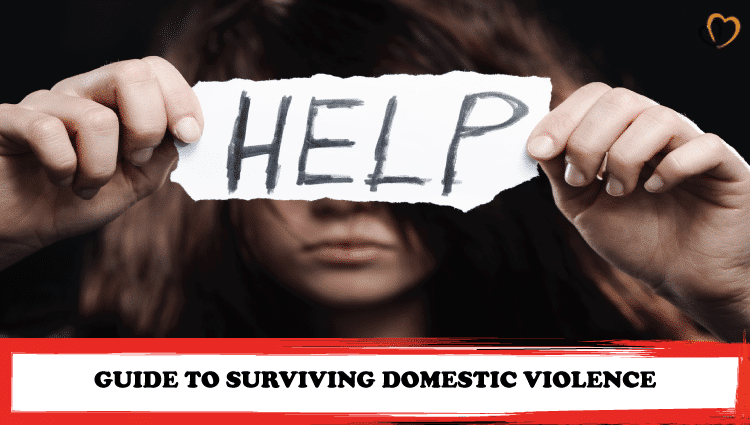
Domestic violence has been on the rise in recent years and these spiralling numbers have begun to cause worry among members of society. Many people think that domestic violence is restricted to physical violence, inflicted by a domestic and toxic partner. However, domestic abuse encompasses much more than only physical violence.
Verbal abuse and threats are also seen as components of domestic abuse. In some cases, where partners force their other halves to perform sexual activities against their will, that is also considered as a form of domestic abuse. In short, any pattern of incidents that have a controlling and coercive pattern and is exhibited by a partner in a domestic relationship, is considered as domestic violence.
But, surviving domestic violence is a whole other game. Partners who are controlling in nature tend to resort to emotional and physical abuse in order to scare you into staying with them and putting up with their violent ways. However, there is a way out of these overwhelming, damaging relationships.

3 Steps To Survive Domestic Violence
#1 Prepare a Safety Plan
Always have a safety plan ready for yourself and your kids, if they are also part of the picture. Analyze your partner’s violent tendencies and emotional abuse patterns. Using those as a guide, try to find place where you can hide from in your house or ways to prevent them from physical assault.
Be careful not to take heavy items in hand to defend yourself, they may just be used against you in the fight. Instead, try to block the blows with something that cushions the impact. As for emotional abuse, try your best to shut it out and offer no reactions. Not offering any reaction to their abuse will only subdue them as it’s no fun bullying someone who doesn’t react to the bullying.
#2 Note Down Every Violence Event Commited
Secretly jot down every abuse and physical assault pattern of your domestic abuser. This would come in handy, should you begin to draw up your safety plan. Aside from that, it can also help you to anticipate new ways that they may resort to abusing you, both through bodily harm and emotional mind games. This can also help you gauge when these violent tendencies are most likely to manifest themselves.
A complete not of events will also prove to be extremely helpful for the authorities, should you decide to lodge a police report against your domestic partner. Accurately documented events of abuse can often serve as legal proof in a domestic abuse case and this, eventually, would assist the police in their investigations and help incriminate your partner for their crimes and abuse within a short period of investigation into your particular case.
#3 Share your Domestic Violence Situation
Tell a close and trusted friend or family member about what is happening between you and your partner and see if they are able to assist in providing temporary housing for you and your children, while you try to get back on your feet. Aside from that, speaking to a person that is close to you may offer some additional ideas and places that you would be able to seek help from.

There also are many localized help facilities that dedicate their time to assisting domestic abuse victims to get out of their toxic relationships and build a normal life. Find out the contact and location of the nearest help center to you and try to give them a call to see how they would be able to help free you from your partner’s grasp of violence. If you’re being abused by your partner and suspect that they may have been involved in criminal activity, a quick people search would be able to tell you their criminal records.
Disclaimer:
The above is intended for informational purposes only and does not constitute a legal advice or specific recommendations in any way.