Phishing Hacks : The Complete Guide
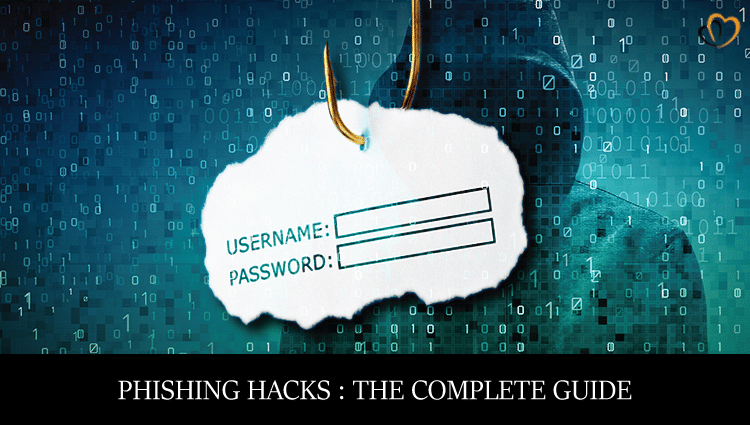
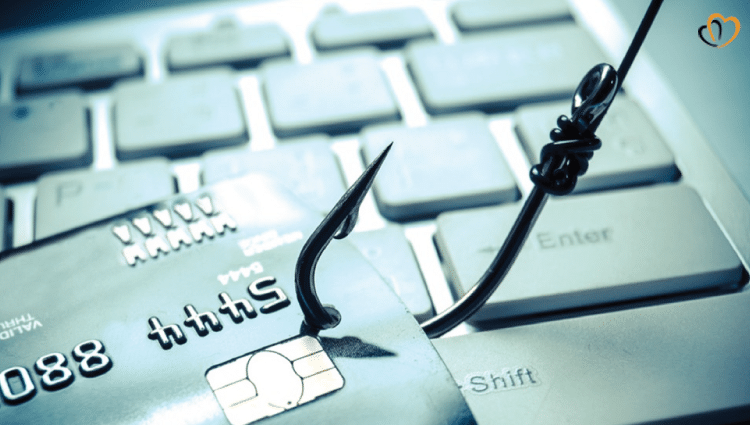
Anyone who has been on the Internet would have heard of the term phishing. Phishing is a form of online fraud, in which, the scammer would send you a fake email message which appears to be from a reputable source, like your bank or telco service provider.These emails would be accompanied by a link, which is designed to fool you into entering private and sensitive information into the fraudulent webpage, thus allowing scammers to steal the information and misuse it to access payment accounts and digital currency trading sites that you frequent.
The Phishing Hacks
Types of Phishing
-
Spear Phishing: It works when these emails are designed to trick a specific target, either individual or organization by appearing.
-
legitimate Entity: Scammers usually do for individuals or companies o make it seem legitimate
-
Extensive Research: Scammers usually create a webpage and add in all the relevant information the entity that it is posing as in order, so that’s their targets don’t think twice before entering in their confidential details into these malicious webpages.
-
What is phishing: Via your smartphone, but with a similar pattern of deception. With this one, scammers would place a call to your smartphone, posing as a company or entity that you trust, like your bank or your digital payment account providers. The key here is to create an urgency which prompts the target to try to settle the “issue” fast.
Scammers place a call using a spoofed ID, usually claiming to be bank officials and will quote some of your most recent transactions and approximate bank balance in order to gain your trust and allow you to divulge more sensitive information like your bank PIN and social security number.
-
Cybercriminals: Also go about targeting people higher in corporate ranks, known as whaling, in order to secure a bigger amount of funds. These emails would be even more professional in tone and would be designed to look more corporate and sophisticated. The details in the email would also be sourced directly from the original website of the entity that they are claiming to be, in order to add authenticity. Like spear phishing, these emails will direct you to a fraudulent link that steals your private information.
-
Via SMS: More often than not, smartphone users get scammy text messages from fraudsters pretending to be your bank or telco service provider. Using the latest spoofing technology, these unscrupulous conmen would be even able to send text messages using the number that is the exact same as the real thing and their scam emails would appear within the thread of the texts you really receive from your bank or telco company. Again, there would be a link that directs you to a malicious webpage that snatches your private information, without your knowledge.
How To Spot Phishing
Scammers and fraudsters have perfected their skills in extracting personal and confidential data out of you, what not with all of the latest advancements in technology such as ID spoofing and mirroring secure emails. However, as tricky as it is now, phishing can still be identified by a few tell-tale signs.
The first would be a mismatched URL. If the email is claiming to be from, say, the Bank of America, and the URL redirects to a domain other than the Bank of America site, you can quickly dismiss the email as a phishing hack. In some cases, the URL may seem very similar to the real deal but there will be small differences, maybe a misplaced letter or a change in the domain country.
Any emails that have been sent by your bank or any other service provider that requests your private information such as social security number, bank PIN and such can only be fraudulent. This is because no reputable organization or entity would require you to enter your private information anywhere or provide them by phone. Be wary of such attempts and never divulge your pin numbers, passwords and security question answers to anyone.
Scam emails like these often have poor grammar and spelling. The scammer only needs to convince you to enter the details they need so their main focus is to get enough information across to get you to do so. Often, they overlook spelling and language, which immediately gives them away. Any email or newsletter from an organization would be proofread and any mistakes corrected, so beware if you see an email with less than perfect grammar or sentence structuring.
Phishing emails and texts are created to invoke a sense of urgency in order to prompt you to carry out an action immediately. The way they are worded is to push you to click the link so that you can remedy whatever “issue” that they had claimed was happening to your account. Anything that you receive along the lines of suspicious login attempts or a suspended account, always check that the source is legitimate and that it is safe to be clicked on or accessed.
Now that you know what phishing looks like and how you can spot them among the hoard of emails and texts you receive every day, keep your eyes peeled for such information-stealing links and webpages. Don’t be the next victim of phishing. If you have an email that looks fairly suspicious, look it up with our simple email lookup, which cross-checks the email in publicly available records, and uncover the identity of your fraudster
Disclaimer:
The above is intended for informational purposes only and does not constitute a legal advice or specific recommendations in any way.