Types of Online Shopping Scams
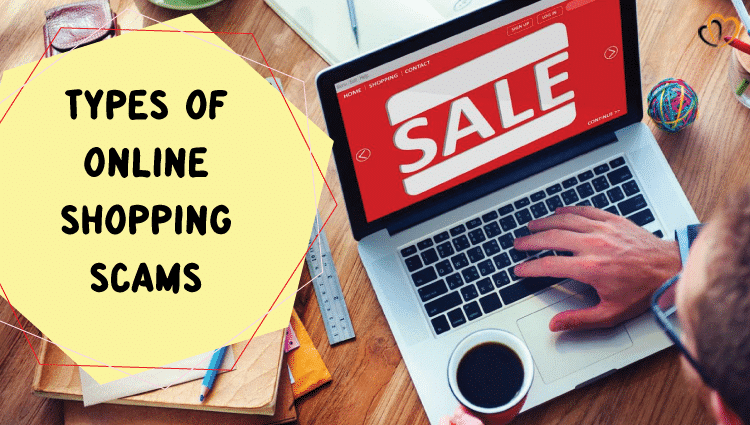
Online shopping scams have been going on for as long as online shopping has existed. They do not only exist in the form of fake online shopping websites, but have taken to social media marketplaces such Facebook online markets and Instagram shops. With the spread of such online shopping fraud onto multiple platforms, there is really no escaping becoming the next victim of such online shopping scams techniques.
However, as consumers, it would always help to be able to identify such shopping scams that are spread across the Internet. This way, we would be treading safely within a landscape filled with such dangerous landmines of shopping frauds. These 5 different types of online shopping scams are the most commonly encountered by online buyers and you need to avoid them at all costs, to keep your funds safe and sound.
5 Ways To Known Of Online Shopping Scams
#1 Fake Online Shopping Website
This one is an absolute no-brainer, but it requires a meticulous eye to be able to spot the differences between the real and the fake shopping websites. Often, these scammers copy the original website and make minor changes to it, like in the URL and websites to which the ‘Checkout’ button leads to. Watch out for any minor changes in the URL, such as an additional letter, symbol or even a slight misspelling that they could get away with. Also, if the checkout button leads to a shady payment page, you need to check if online banking apps are safe, you might want to refrain from entering any form of banking details and check your website URL again.
#2 Facebook Marketplace Scams
Just like we’d mentioned earlier, these online shopping scams have shifted onto social media marketplaces and one of the highest affected are Facebook marketplaces. Facebook marketplace scams happen when the seller promises to sell a product to the buyer but in the end, they abscond with the cash or send the buyers worthless items. The most common items that are involved in Facebook marketplace scams are usually electronic goods and jewelry. Before making a purchase on Facebook marketplace, always make sure that the seller is legitimate, owns a legitimate business page and has lots of good reviews.
#3 Instagram Shopping Giveaways
If you’re a fan of buying things on Instagram, you may be familiar with the trend of giveaways on the platform. However, there have been lots of cases where these giveaways have a pre-requisite where you have to purchase a certain minimum amount of items from their store in order to qualify for the giveaway. In most cases, such giveaways are a ploy to increase their sales. To see if your seller and their giveaway is legitimate, check their followers, number of likes and look for previous giveaways they may have done and examine the comments. You will find lots of information in the comment sections, that would help you gauge of your seller is legit.
#4 Fake Coupon Sites
For bargain hunters, sifting through coupon websites like Groupon and such have become a norm and you’re always on the prowl for the best deals on online shops. However, even such coupon websites can be a trap to steal your data. What happens is that the coupons redirect to a survey site or a shady looking website that asks for your personal particulars. More often than not, these websites are designed to steal your personal data or install a data stealing malware onto your device, which tracks any input, especially on online banking sites. With the data proffered to them by these fake websites and malware, scammers can easily access your bank account and drain out your funds in a matter of seconds.
#5 Scam Shopping Newsletters
When you visit online shops, you’re bound to subscribe to their newsletters. Unfortunately, even these newsletters are not scam-proof. Lots of online shopping scams are caused by a malicious link within a fake newsletter from an online store. The thing is that, like fake websites, such fake newsletters look just like the real deal and it can be tricky to tell it apart. However, the biggest giveaway would be the shady looking link. If the link redirects to a domain that is not that of the actual online shop, chances are high that the newsletter was sent by an online shopping scammer.

Online shopping scams are everywhere and it is up to us to be as cautious as possible when making any sort of online purchase. Online retail stores can sometimes compromise your data and when you use online banking to make a payment, you can’t tell for sure if online banking apps are safe to be used in an online purchase. But, if you’re an informed customer that can smell these online shopping frauds from a mile away, you’d most likely be okay.
If you get any funny emails with shady links to a “shopping voucher”, you might want to run it through our email lookup search and see who really is behind these emails, before your click on the link.
Disclaimer:
The above is intended for informational purposes only and does not constitute a legal advice or specific recommendations in any way.