Why The Latest Abortion Bans Are A Crime Against Women
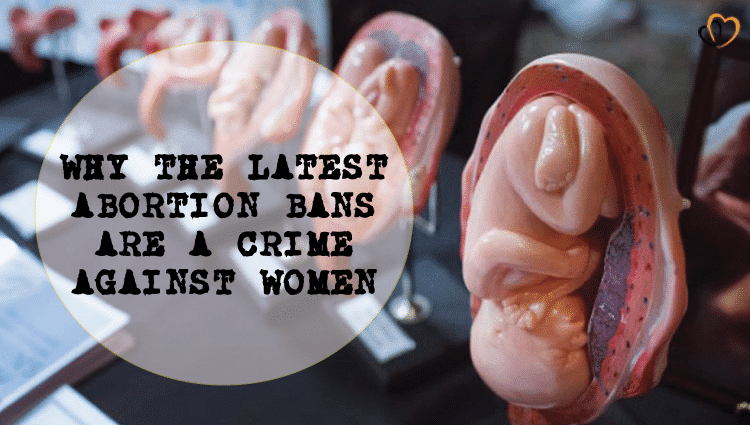
The debate around abortion has been going on for ages and lots of people seem to think that banning abortion is a method to allow the fetus, which is unable to voice out or defend itself, a chance to live. Many US states have already implemented such bans, like in Louisiana, Georgia and Alabama. The premise of these bans are that the fetus is a living being at the time of conception and in any case, abortion would be equated to murder.
But, let’s take a look at the other side of the coin for a second. The fetus lives in the womb of the mother, which undeniably is a living person, who has forged relationships and has responsibilities towards her family and society. The pro-choice camp argues that it does not make sense to put the life of an established society member in danger over a fetus, that may or may not make it to full term.
Crime Against Low-Income Women
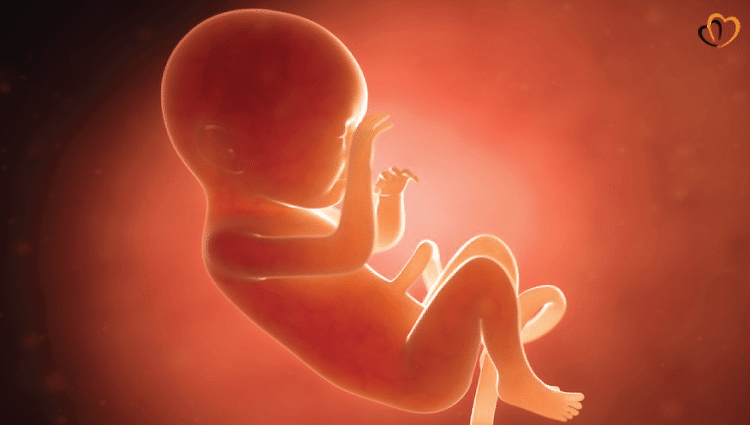
The pro-choice camp have their facts and details right on the money. It really does not make any sense to lose a human being who already has a place in society over a mass of cells with a heartbeat, that may or may not survive. This is because nearly 75% of all abortion cases reported are from women who live in the poor or low-income line which increase hate crime as well and about 49% of these women are ranked as to being below the federal poverty level.
These women have no access to clean amenities, much less a sterile area for them to give birth. Healthcare in the US costs a fortune, so it is highly unlikely that they would be able to afford such costs to get the help and medical care that they require. Not allowing them to have an abortion only worsens their current situation, and even if they did survive, there is no guarantee that the baby would be able to pull through in such shoddy living conditions and if the mother, would be able to even afford her newborn.
Crime Against Women With Illnesses
Another factor is of course the general health of the mother and her ability to carry the baby to term. Some mothers have genetic disorders that can put their life at risk, if they decide to go the whole length of their pregnancy. Diseases such as pre-eclampsia, gestational diabetes, gestational high blood pressure, kidney problems and massive bleeding can all contribute to the death of the mother during labor.
Most illnesses that come with pregnancy cannot be fully treated and can only be suppressed with the help of prescriptions and therapy. If such abortion laws are made legal, women who become pregnant without planning would have difficulty trying to survive their pregnancy, especially if their diseases act up constantly.
Crime Against Women Who Are Rape Victims
Rape has been a long-standing issue and statistics show that the majority of victims of rape are women. In lots of cases, rape brings the end result of pregnancy. The mother may be a 15-year-old teen that was raped by a neighbor, yet she is unable to get an abortion and is stuck with carrying a fetus through the 36 weeks, all while attending school. To think that this may be one of the outcomes of this highly debated abortion bans, is just sickening.
Besides the unwanted, forced pregnancy, these women have to suffer through the emotional struggle that comes with being a victim of rape. Most rape victims go through serious post-traumatic stress and some will remain in that state of mind for a long time. Women who are going through a stressful time and have their mind in a mess are not ones who should be taking care of a baby. In addition, the baby will only serve as a reminder of their horrible experience and this would ultimately affect the mother and child bond.
Women should always be allowed to make decisions on whether another human being can or cannot be allowed to live within their bodies for the next nine months to come. It is the government’s duty to provide these women with the options that they need, as provided by the US Constitution and should be educated and assisted to make the right decision for themselves.
Disclaimer:
The above is intended for informational purposes only and does not constitute a legal advice or specific recommendations in any way.